
Supporting GCSE Students During Exam Season Without Adding Pressure
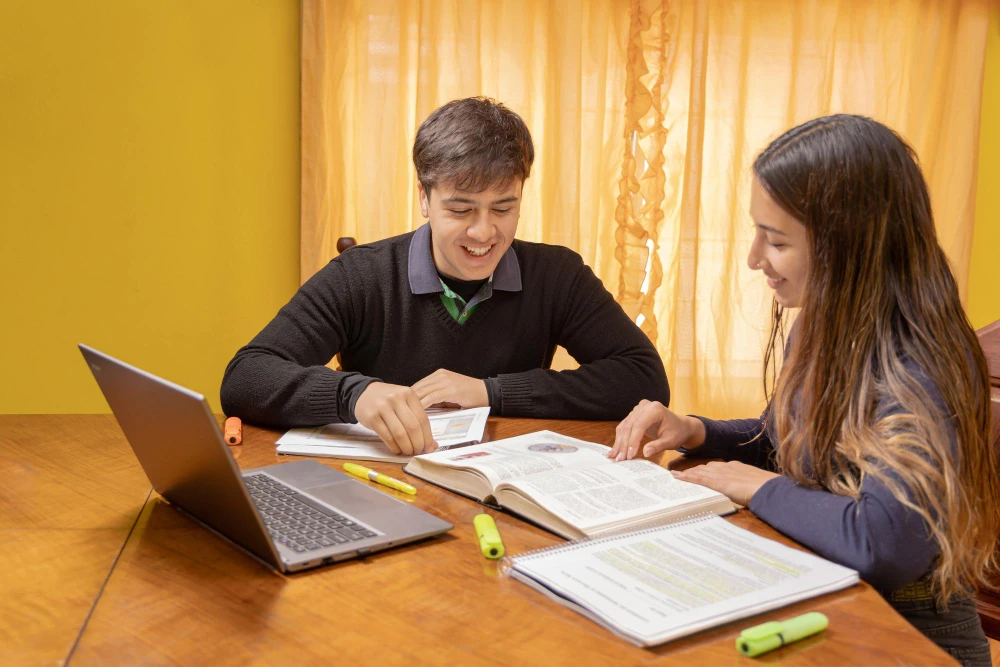
The exam season GCSE period can feel intense for both students and parents. Revision timetables, past papers, grade expectations, and constant reminders that “these exams matter” can quickly turn motivation into overwhelm.
Most parents want to help GCSE students succeed — but without accidentally increasing anxiety. Striking that balance is key.
In this guide, we’ll explore practical, realistic ways to provide effective GCSE exam stress support while keeping your home calm and encouraging.
Why GCSE Exam Season Feels So Overwhelming
For teenagers, GCSEs often represent:
- Their first formal national exams
- Pressure to secure sixth form or college places
- Comparisons with peers
- Fear of disappointing parents or teachers
Add social media, school reminders, and conversations about grade boundaries, and it’s easy to see why stress levels rise during exam season GCSE.
A certain level of stress is normal — and even helpful. But too much can affect sleep, memory, and performance.
Recognising Signs of GCSE Exam Stress
To provide effective GCSE exam stress support, it helps to recognise early warning signs:
- Irritability or mood swings
- Avoiding revision completely
- Excessive over-revision without breaks
- Sleep problems
- Physical complaints (headaches, stomach aches)
- Negative self-talk (“I’m going to fail anyway”)
If you notice these patterns, your role shifts from “pushing productivity” to “protecting wellbeing.”
How to Help GCSE Students Without Adding Pressure
1. Focus on Effort, Not Outcomes
Instead of asking:
- “What grade did you get?”
- “Are you on track for a 7?”
Try:
- “Did you feel prepared for that paper?”
- “What revision strategy worked best?”
This subtle shift provides GCSE exam stress support by rewarding effort and strategy — not just results.
2. Create a Calm Environment at Home
During exam season GCSE, your home environment matters more than ever.
You can help GCSE students by:
- Keeping routines predictable
- Minimising household conflict
- Ensuring they have a quiet study space
- Encouraging regular meals and sleep
Stability reduces background stress, freeing up mental energy for revision.
3. Encourage Structured Revision — Not Constant Revision
More hours doesn’t always mean better results.
Encourage:
- 45–60 minute focused sessions
- Short breaks between subjects
- A clear daily revision plan
- One evening off per week to recharge
Burnout is one of the biggest risks during exam season GCSE. Sustainable study habits provide stronger GCSE exam stress support than marathon cramming.
4. Normalise Nerves
It helps students to hear:
- “It’s normal to feel nervous.”
- “Everyone feels pressure before exams.”
- “You don’t have to be perfect.”
Avoid saying:
- “Don’t worry!” (It can feel dismissive.)
- “These exams decide your future.” (Even if partially true, it heightens anxiety.)
When you help GCSE students reframe nerves as a sign that something matters — not a sign of failure — anxiety becomes more manageable.
5. Avoid Comparing Them to Others
Comments like:
- “Your cousin revised for five hours a day.”
- “Your friend seems very organised.”
…can unintentionally increase stress.
Each student has different strengths, learning speeds, and stress thresholds. Personal progress matters more than comparison.
6. Support Sleep and Physical Health
Sleep directly affects memory consolidation — crucial during exam season GCSE.
Encourage:
- A consistent bedtime
- Limited late-night screen use
- Light exercise (even short walks)
- Proper hydration
Physical wellbeing is a powerful but often overlooked form of GCSE exam stress support.
7. Help Them Plan for Exam Days
Practical preparation reduces last-minute anxiety.
The night before:
- Check exam times
- Prepare equipment
- Lay out clothes
- Plan travel
On the morning:
- Encourage a balanced breakfast
- Keep conversations calm and positive
- Avoid last-minute intense revision debates
Small organisational steps can significantly help GCSE students feel more in control.
What If Stress Becomes Overwhelming?
If anxiety escalates to panic attacks, severe sleep disruption, or emotional withdrawal, consider:
- Speaking with their school
- Contacting a GP
- Seeking professional counselling
Strong GCSE exam stress support sometimes requires external guidance — and that’s okay.
The Long-Term Perspective
While GCSEs are important, they are not the only path to success.
Remind your child:
- There are multiple routes to further education and careers
- One exam does not define their intelligence or future
- Effort and resilience matter just as much as grades
Maintaining perspective is one of the most powerful ways to help GCSE students stay grounded during exam season GCSE.
Final Thoughts: Calm Support Over Constant Pressure
During exam season, your child doesn’t just need revision reminders. They need:
- Encouragement
- Stability
- Reassurance
- Practical structure
The most effective GCSE exam stress support doesn’t come from increasing pressure — it comes from reducing it.
By focusing on wellbeing alongside preparation, you give your child the best chance not only to perform well, but to come through exam season feeling confident and supported.
GCSE Exam Season Checklist for Parents
Calm, practical GCSE exam stress support during exam season GCSE
WEEKLY PREPARATION
☐ Review the exam timetable together
☐ Highlight subjects needing extra focus
☐ Agree on a realistic revision plan (45–60 min sessions + breaks)
☐ Schedule at least one lighter evening per week
☐ Check in emotionally: “How are you feeling about this week?”
☐ Protect sleep routines (consistent bedtime, no late cramming)
DAILY REVISION SUPPORT
☐ Encourage focused study blocks (not all-day revision)
☐ Provide a quiet, tidy study space
☐ Offer snacks and hydration
☐ Praise effort, not just results
☐ Avoid comparisons with friends or siblings
This structure helps GCSE students stay consistent without feeling pressured.
THE NIGHT BEFORE EACH EXAM
☐ Confirm exam time and location
☐ Pack equipment (calculator, pens, pencils, ruler)
☐ Prepare clothes and set alarm
☐ Keep revision light (quick recap only)
☐ Encourage a calm wind-down routine
Confidence over cramming.
MORNING OF THE EXAM
☐ Provide a calm start to the day
☐ Encourage a balanced breakfast
☐ Keep conversation neutral and supportive
☐ Say: “Just focus on one question at a time.”
☐ Avoid last-minute testing or pressure
Your tone sets the emotional temperature.
AFTER THE EXAM
☐ Say “Well done for getting through it.”
☐ Avoid analysing every answer
☐ Encourage a short reset break
☐ Refocus gently on the next paper
No post-mortems — they increase stress for the next exam.
WATCH FOR STRESS SIGNALS
☐ Sleep problems
☐ Tearfulness or irritability
☐ Avoidance of revision
☐ Panic symptoms
If stress feels overwhelming, speak with school staff or your GP. Strong GCSE exam stress support includes knowing when to seek extra help.
The Golden Rule During Exam Season GCSE
✔ Keep routines steady
✔ Focus on effort over grades
✔ Reduce pressure where possible
✔ Maintain perspective
You don’t need to be a teacher.
You just need to provide calm, consistent support to help GCSE students feel safe, prepared, and capable.